Caramelized onions are a must-have in any kitchen. Learning how to make caramelized onions elevates your dishes with their sweet and savory flavor. Perfect for burgers, pasta, or even as a simple topping, these onions add a rich depth that can enhance any meal. With just a few ingredients and some patience, you can create a delicious component that transforms ordinary recipes into extraordinary ones.
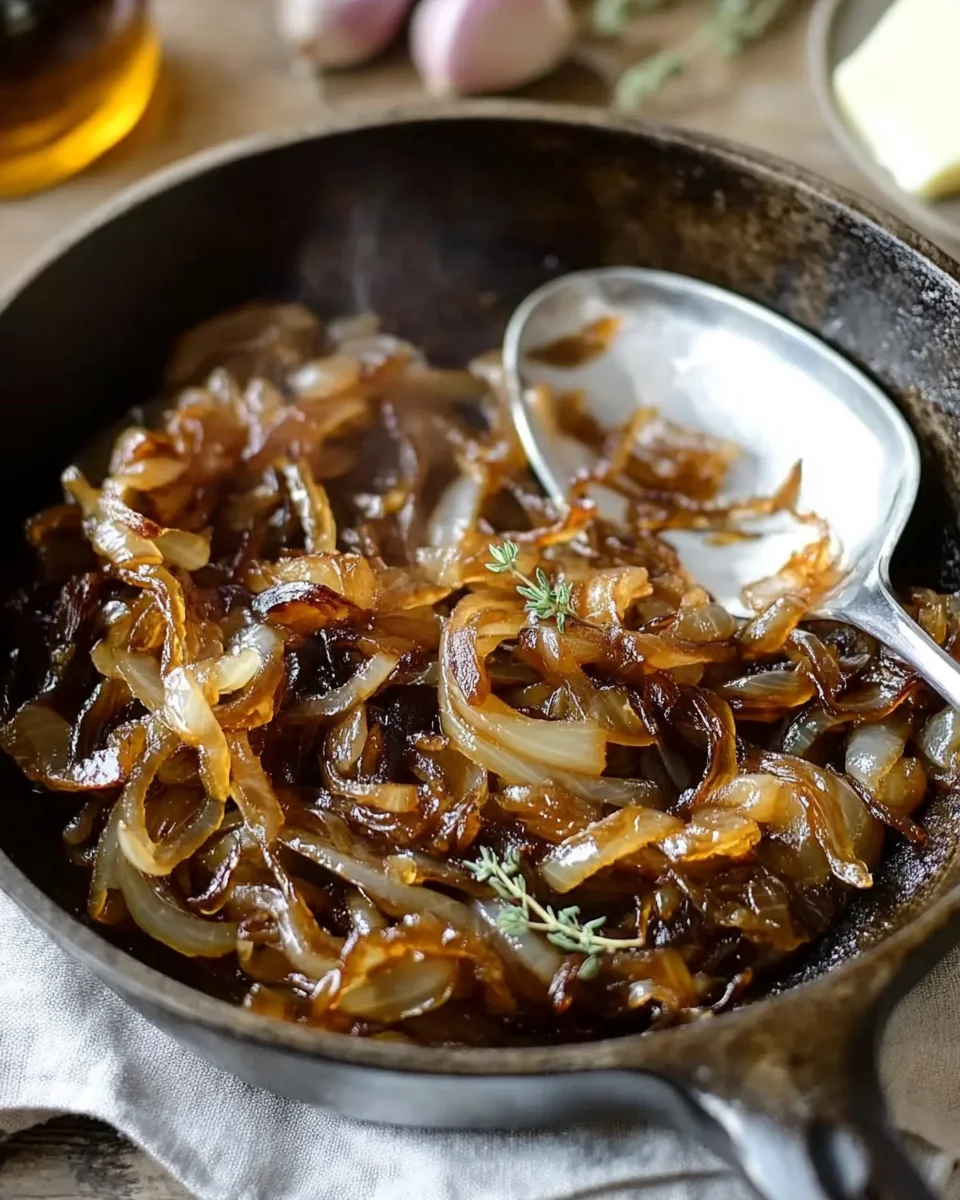
Why You’ll Love This Recipe
- Rich flavor: The slow cooking process brings out the natural sweetness of the onions.
- Versatile use: These caramelized onions are perfect for a variety of dishes, from sandwiches to gourmet pizzas.
- Simple ingredients: You only need a handful of pantry staples to create this delightful addition.
- Easy preparation: With minimal hands-on time, you can let them cook while you focus on other tasks.
- Make ahead: Caramelized onions can be stored for up to a week, making meal prep easier.
Tools and Preparation
Before diving into the recipe, gather your tools for an efficient cooking experience. Having the right equipment will ensure your caramelized onions turn out perfectly every time.
Essential Tools and Equipment
- Large skillet
- Wooden spoon or spatula
- Knife
- Cutting board
Importance of Each Tool
- Large skillet: A spacious skillet allows for even cooking of the onions without overcrowding.
- Wooden spoon or spatula: Ideal for gently stirring and scraping the bottom of the pan to prevent sticking.
- Knife: A sharp knife ensures quick and easy slicing of the onions for uniform cooking.
Ingredients
For the Caramelized Onions
- 2 tablespoons butter
- 1 tablespoon canola oil
- 3 large yellow onions, peeled, halved, and thinly sliced
- 1 teaspoon kosher salt
- 3 sprigs fresh thyme (leaves only)
- 1 tablespoon white balsamic vinegar (optional)
How to Make Caramelized Onions
Step 1: Heat the Fat
Heat butter and canola oil in a large skillet over medium-high heat until melted. This combination gives flavor and helps prevent burning.
The Casserole Dish Thousands of Families Can't Cook Without!
Step 2: Add Onions and Seasoning
Add sliced onions, kosher salt, and thyme leaves. Stir well to combine. Cook for about 5 minutes, stirring occasionally until onions begin to soften.
Step 3: Reduce Heat and Cover
Reduce heat to medium-low. Cover with a lid, allowing the onions to sweat. This process develops their sweetness.
Step 4: Stir Occasionally
Continue cooking for up to 1 hour. Stir every 10–15 minutes to encourage even caramelization. If needed, add a splash of water or broth if they start to stick or burn.
Step 5: Finish Cooking
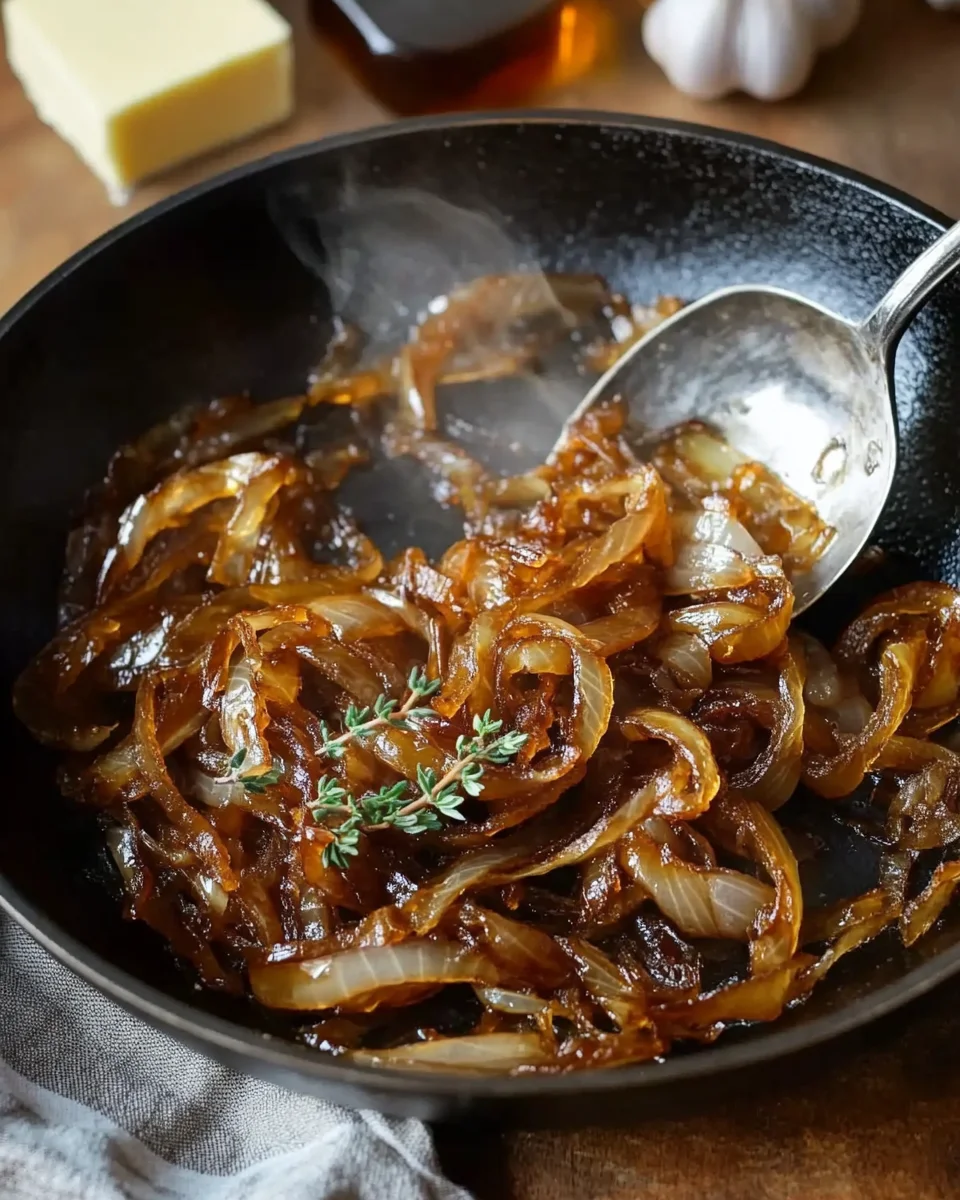
In the last 10 minutes of cooking, add white balsamic vinegar, if using. This will enhance the sweetness and depth of flavor. Cook until deeply caramelized and jammy.
Once done, serve them immediately or store them in an airtight container in the refrigerator for later use. Enjoy how these caramelized onions transform your favorite dishes!
How to Serve How to Make Caramelized Onions
Caramelized onions are incredibly versatile and can elevate many dishes with their rich, sweet flavor. Here are some delightful ways to incorporate them into your meals.
On Burgers
- Adding caramelized onions to burgers provides a sweet and savory flavor that complements the meat perfectly.
In Sandwiches
- Layering these onions in sandwiches adds depth and enhances the overall taste, making every bite more delicious.
On Pasta
- Tossing caramelized onions with pasta creates a comforting dish that is both simple and satisfying.
As Pizza Topping
- Use them as a topping on pizzas for an extra layer of flavor that pairs well with cheese and other toppings.
In Soups
- Stirring caramelized onions into soups gives them a rich, hearty base, enhancing the overall flavor profile.
With Eggs
- Serve caramelized onions atop scrambled or fried eggs for a gourmet breakfast twist that’s sure to impress.
How to Perfect How to Make Caramelized Onions
Achieving perfect caramelized onions requires patience and attention. Here are some tips to help you master this technique.
- Low and slow cooking – Cooking at a low temperature allows the natural sugars in the onions to develop without burning.
- Use the right pan – Choose a wide skillet to give the onions enough space to cook evenly.
- Don’t rush stirring – Let the onions sit undisturbed between stirs for optimal caramelization.
- Add moisture if needed – A splash of water or broth can help prevent burning and enhance flavor.
- Experiment with flavors – Try adding different herbs or spices for unique variations in taste.
- Store properly – Keep leftover caramelized onions in an airtight container in the fridge for up to one week.
Best Side Dishes for How to Make Caramelized Onions
Pairing side dishes with caramelized onions can enhance your meal experience. Here are some excellent options:
- Roasted Vegetables – A mix of seasonal vegetables roasted until tender pairs beautifully with sweet caramelized onions.
- Mashed Potatoes – Creamy mashed potatoes topped with caramelized onions create a comforting side dish.
- Grilled Cheese Sandwiches – The melty cheese combined with sweet onions makes for a classic culinary duo.
- Quinoa Salad – Mix quinoa with fresh veggies and add caramelized onions for an earthy flavor boost.
- Brussels Sprouts – Sautéed Brussels sprouts tossed with caramelized onions offer a delightful contrast of flavors.
- Rice Pilaf – Fluffy rice pilaf enhanced with sweet, jammy onions makes an ideal accompaniment for any main dish.
- Baked Sweet Potatoes – Top baked sweet potatoes with caramelized onions for a unique blend of sweetness and earthiness.
- Coleslaw – Add caramelized onions to coleslaw for an unexpected twist on this crunchy side dish.
Common Mistakes to Avoid
Caramelizing onions seems simple, but many make mistakes that can affect flavor and texture. Here are some common pitfalls to avoid.
- Skipping the low and slow method: Rushing the cooking process leads to burnt onions instead of rich caramelization. Always cook on low heat for the best results.
- Crowding the pan: Overcrowding can create steam, preventing proper caramelization. Use a large skillet to allow enough space for the onions to brown evenly.
- Not using enough fat: Fat is essential for flavor and helps in even cooking. Ensure you use enough butter or oil to coat the onions well.
- Stirring too frequently: Constant stirring can hinder caramelization. Let the onions sit undisturbed for a few minutes between stirs to develop that rich color and taste.
- Neglecting seasoning: Adding salt at the beginning enhances flavor and helps draw out moisture from the onions. Don’t forget this crucial step!
- Ignoring doneness cues: Aim for a deep golden color and jammy texture. Don’t rely solely on time; keep an eye on their appearance.
Refrigerator Storage
- Store caramelized onions in an airtight container.
- They can last up to one week in the refrigerator.
- Allow them to cool before sealing to prevent condensation.
Freezing How to Make Caramelized Onions
- Place cooled caramelized onions in freezer-safe bags or containers.
- They can be frozen for up to three months.
- Label containers with dates for easy tracking.
Reheating How to Make Caramelized Onions
- Oven: Preheat your oven to 350°F (175°C) and place the onions in a baking dish covered with foil. Heat for about 10-15 minutes until warm.
- Microwave: Use a microwave-safe bowl, cover it loosely, and heat in short intervals (30 seconds), stirring between each until warmed through.
- Stovetop: In a skillet over medium-low heat, add a splash of water or broth if needed. Stir occasionally until heated through.
Frequently Asked Questions
How to Make Caramelized Onions without burning them?
To avoid burning, keep your heat low and stir every 10-15 minutes. If they start sticking, add a little water or broth.
What type of onions are best for caramelizing?
Yellow onions are ideal due to their natural sweetness. However, red or sweet onions also work well for different flavor profiles.
Can I make caramelized onions ahead of time?
Absolutely! You can prepare them in advance and store them in the refrigerator or freezer as detailed above.
How long does it take to make caramelized onions?
Typically, it takes about one hour of cooking time on low heat for perfect caramelization.
Can I use olive oil instead of butter?
Yes, olive oil works fine, though it may alter the flavor slightly. For best results, consider mixing both oils.
Final Thoughts
Caramelized onions are a delightful addition that enhances many dishes with their sweet and savory depth. Their versatility allows you to customize them with herbs or vinegar based on your preferences. We encourage you to try making these flavorful gems and enjoy how they elevate your meals!
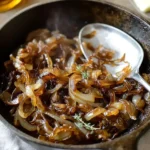
Caramelized Onions
- Total Time: 1 hour 10 minutes
- Yield: Serves approximately four people 1x
Description
Caramelized onions are a culinary treasure that can elevate any dish with their rich, sweet, and savory flavor. Whether you’re adding them to burgers, pasta, or gourmet pizzas, mastering how to make caramelized onions is essential for any home cook. The process may require patience, but with just a few simple ingredients and techniques, you can create a delicious addition that transforms ordinary meals into extraordinary experiences.
Ingredients
- 2 tablespoons butter
- 1 tablespoon canola oil
- 3 large yellow onions (peeled, halved, thinly sliced)
- 1 teaspoon kosher salt
- 3 sprigs fresh thyme (leaves only)
- 1 tablespoon white balsamic vinegar (optional)
Instructions
- Heat butter and canola oil in a large skillet over medium-high heat until melted.
- Add sliced onions, kosher salt, and thyme leaves; stir well and cook for about 5 minutes until softened.
- Reduce heat to medium-low, cover with a lid, and allow the onions to sweat for sweetness development.
- Continue cooking for up to 1 hour, stirring every 10–15 minutes to ensure even caramelization.
- In the last 10 minutes, add white balsamic vinegar if desired to enhance flavor. Cook until deeply caramelized.
- Prep Time: 10 minutes
- Cook Time: 60 minutes
- Category: Side Dish
- Method: Sautéing
- Cuisine: American
Nutrition
- Serving Size: 1/4 cup (60g)
- Calories: 80
- Sugar: 6g
- Sodium: 150mg
- Fat: 6g
- Saturated Fat: 3g
- Unsaturated Fat: 3g
- Trans Fat: 0g
- Carbohydrates: 8g
- Fiber: 1g
- Protein: 1g
- Cholesterol: 10mg
Grab This Chef Knife Now - Almost Gone!

Leave a Comment